
Preventive Cardiology
Your Partner In Proactive, Natural Heart Health Care For Lifelong Wellness.
What Is Preventive Cardiology?
Preventive cardiology is a branch of medicine focused on reducing the risk of cardiovascular diseases (CVD) through early detection, management of risk factors, and lifestyle modifications. Its primary aim is to prevent the onset or progression of heart-related conditions such as coronary artery disease, heart attacks, strokes, and heart failure.
Personalized, In-Depth Care
Our approach to a healthy heart and cardiovascular system is to offer personalized, in-depth consultations and integrative strategies to manage risks and fundamentally improve people’s health.
At Heart Health Prevention and Wellness, we aim to transform heart health care. Leveraging Dr. Paeschke’s 25+ years in cardiology, we focus on preventing heart disease through in-person and telehealth consultations.
If you’re tired of the “conventional medical treatment” for heart disease (medications, surgeries and more), then you’ll want to learn if preventive cardiology is a good fit for you.
“She really cares…She takes time to listen to you and she is so kind.
–Cathy, Little Birch WV
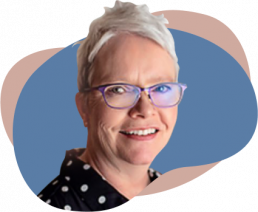
Dr. Tracy Paeschke
Preventive Cardiologist
I’m Dr. Tracy Paeschke, a double board-certified cardiologist specializing in preventive cardiology.
Join me in developing a personalized preventive cardiology plan tailored to your unique health needs and lifestyle.
Under my guidance, you’ll implement sustainable lifestyle changes that will safeguard your heart and will promote long-term well-being.
Prioritize your heart health with me and embrace a life of vitality and wellness!


Our Mission = Wellness for Life
Our mission at Heart Health Prevention & Wellness is to help you embrace wellness for a lifetime of vitality and balance.

Holistic Approach
Preventive Cardiology through an Integrative Approach

Advanced Testing
The use of advanced testing for personalized medicine is more than just a tool; it's a gateway to empowerment. We pinpoint your unique health risks by examining advanced lipids such as apoB, Lp(a), LDL particle size, and inflammatory markers such as hs-CRP, F2-Isoprostane, Lp-PLA2, and MPO. The latest research confirms that this testing is a potent method to assess your risk, surpassing the standard lipid panel.
Our approach is unique and time-tested. We employ the most recent imaging technology to precisely evaluate the presence and extent of plaque in your body. This accuracy enables us to tailor recommendations to your distinct health findings. There is no more ambiguity about your risk status, just personalized care that acknowledges and tackles your individual needs, making you feel acknowledged and cared for.

Sleep
We utilize the latest wearables to actively monitor your sleep. These devices detect sleep apnea, low oxygen levels during sleep, heart rate variability, and sleep quality. We know that sleep disorders can negatively impact heart health and increase inflammation in the body, a precursor to atherosclerosis. By diagnosing and addressing sleep issues before they become problematic, we strive to keep you one step ahead in your health journey, instilling the confidence that your health is in capable hands.

Diet and Nutrition
Using a "food journal," we review what you're eating and drinking. Your nutritional assessment involves a detailed analysis of your dietary habits, including the types of foods and beverages you consume, portion sizes, and meal timings. We can identify foods that might be causing inflammation in the body, which we know is a risk factor for atherosclerosis. By identifying and eliminating these foods from your diet, we can help reduce your risk of developing atherosclerosis and its associated health complications. We use continuous glucose monitoring to see how different foods affect your blood sugar, helping you make better choices based on your personalized data.

Mindset Work
We use health coaching as a supportive tool to help you feel more empowered about your health. What are your health goals? What do you want your life to look like when you're 80, 90, or 100? Once we identify what's important to you, we help you develop strategies to meet your goals. Our health coaching provides guidance, support, and accountability, ensuring you stay on track toward your health goals.

Exercise
Exercise has many health benefits, but it doesn't mean you must spend hours at the gym. Some of the longest-lived people in the world get plenty of exercise through daily movement. We help you look for new ways to move--going for walks, gardening, yoga, and housework are all great examples. The best exercise is the one you will do. We help you explore some different options.

Stress Management
Stress can wreak havoc on the body, and, unfortunately, our modern lifestyle is full of stress for many of us. Acute stress can save our lives, helping us swerve out of the way of the oncoming car. However, chronic stress, which is prolonged and ongoing, has serious effects on the body. Chronic stress increases stress hormones like cortisol and adrenaline, elevating heart rate and blood pressure. Chronic stress also increases inflammation, which is linked to atherosclerosis. We help you identify your stressors and work to lessen them, promoting better stress management and overall well-being.

Longevity and Aging
The goal is to increase your healthspan, not just your lifespan, to help you live a long life in good health. We use the latest technology to assess your biological age by measuring DNA methylation or epigenetic age determination. We also offer cancer screening through cell-free DNA tests. We utilize all the latest state-of-the-art testing available. The earlier we identify abnormalities, the sooner we can work on treating or reversing them.
A healthy outside starts from the inside.
– Robert Urich
Our Method
Our program combines preventive cardiology, education, and community to achieve exceptional results.
Preventive Cardiology
Preventive Cardiology services to help you prevent and reverse heart disease.
Community
Access to our engaging community support system.



Dr Paeschke is wonderful! Having had a heart attack two years ago, it’s an amazing relief to have an ongoing relationship with a cardiologist who is responsive, patient and super knowledgeable.My prior cardiologist was the one who happened to be attending at the hospital. Perfectly competent but impossible to get any meaningful attention.It’s the opposite with Dr Paeschke and the way she’s set-up her practice. I feel very fortunate!
David, Nevada

I highly recommend Dr Tracy for all your cardiac issues. I found it very easy to get an appointment, no months long wait, both initially and for important follow up visits -which are enhanced through calls or on-line chats with her. It’s important to me that I communicate directly with my doctor, especially given the breadth and complexity of the issues that we discuss and this is always the case. While Dr Tracy’s focus is on prevention using the latest technology/devices/testing, my needs are immediate and I feel very confident they are met and we have the best plan going forward to address them.
Mark, Colorado
Dr. Paeschke is an excellent cardiologist. She is thorough and takes time with me as a patient. The appointment is not rushed and I feel very valued and cared for. I really like that she is close to me in Monument as well. I highly recommend Dr. Paeschke to anyone looking for a preventative cardiologist.
Sharon, Colorado
I have always appreciated Dr. Paeschke’s wisdom, care, and knowledge, ever since being referred to her in 2007. Since, I have found that her Heart Health Prevention and Wellness has helped me become my own advocate in all areas of health in my life provide for a defined lifestyle change. Thank you! Dr. Tracy
Abe, Colorado
A heart for life’s seasons.
Live healthy today.
Lifestyle changes that you make today will have lasting effects for tomorrow. We can help you thrive as you age.